Insufficient film slip →
Reduce the surface coefficient of friction to the required level.

Control of the coefficient of friction and slip of polymer films
TechnoAdd™ Slip is a range of slip masterbatches for controlling the coefficient of friction and improving the slip of polymer films.
During film production and downstream processing, insufficient slip can make winding, unwinding and passage of the material through packaging equipment more difficult. Excessive slip can create limitations during printing, lamination and metallization.
TechnoAdd™ Slip masterbatches make it possible to control the slip level with regard to the polymer base, production technology and downstream-processing requirements. When required, the solutions are used together with anti-block additives for simultaneous control of the coefficient of friction and blocking.
The range includes solutions based on erucamide, oleamide, their combinations and siloxane components. The products are used in polyethylene and polypropylene films, including blown, cast, CPP, OPP, BOPP and MDO films.
Controlling film slip during production, processing and use on packaging equipment.
Reduce the surface coefficient of friction to the required level.
Improve film travel during roll formation and unwinding.
Help maintain the required slip level with regard to film composition.
Allow the action rate to be selected according to production conditions.
Improve film travel through guides and working elements of the line.
Make it possible to account for printing, lamination and metallization requirements.
Solutions for polyethylene and polypropylene films with different action rates and slip levels.
We determine the grade and dosage with regard to film structure, target coefficient of friction and downstream processing.
We take into account the polymer type, number of layers and formulation composition
We select a solution for blown and cast extrusion, CPP, BOPP and MDO
We determine the required static and dynamic COF values
We take into account the required time for slip properties to develop
We assess printing, lamination, metallization and packaging requirements
We take into account interaction with anti-block, antistatic and other components
Based on test results, we select the slip-masterbatch grade and dosage for the film requirements
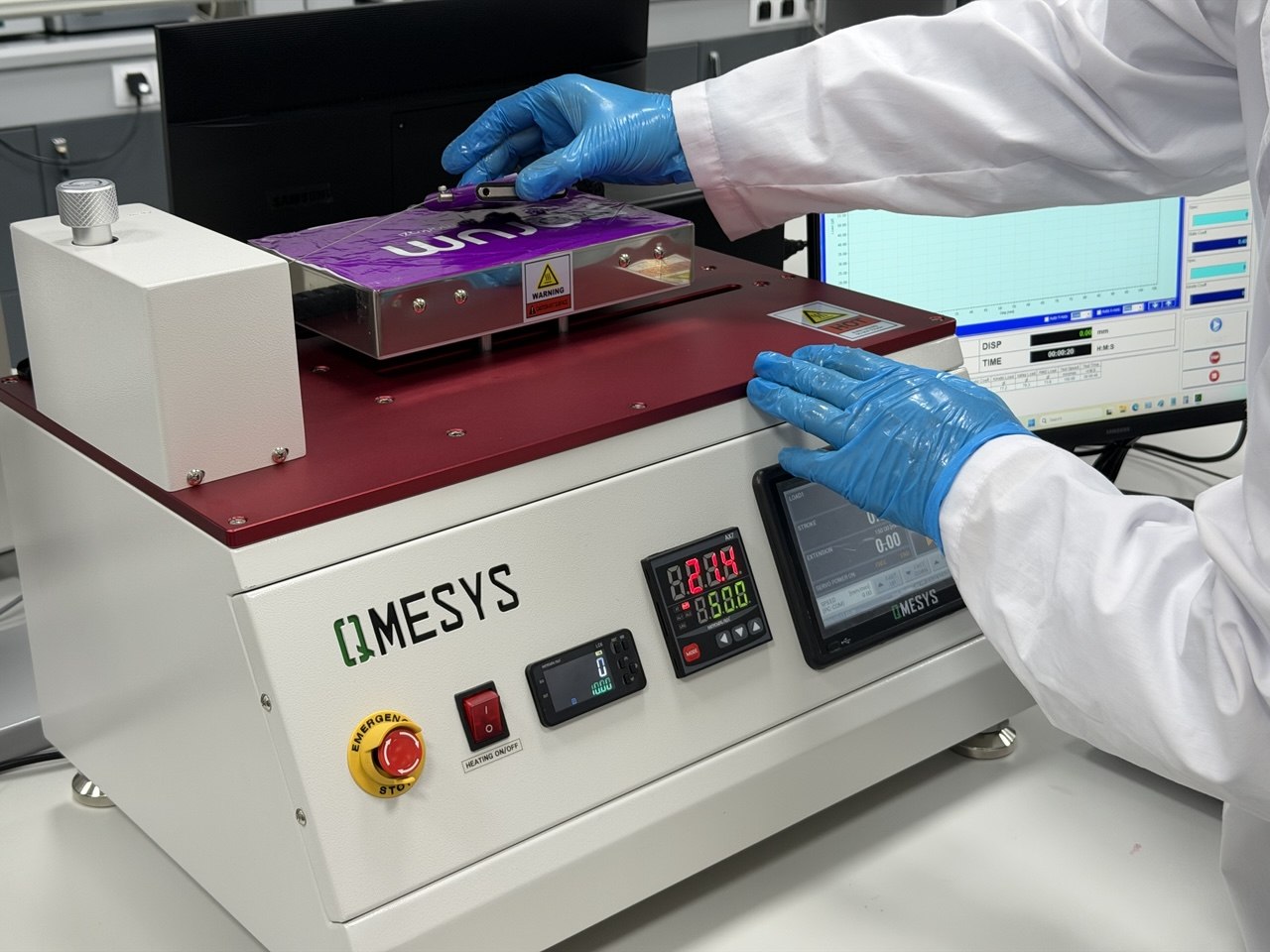
A single coefficient-of-friction value is not enough. Stable film performance also requires evaluation of surface change over time, blocking, openability and compatibility with downstream operations.
Not the lowest COF, but the film behaviour required by your process.
| No. | Grade | Carrier | Active component | Features | Application | TDS | SDS |
|---|---|---|---|---|---|---|---|
| 1 | SL-01101-LL | LLDPE / mLLDPE | Erucamide | Stable slip | Blown / Cast | TDS | SDS |
| 2 | SL-01102-LL | LLDPE / mLLDPE | Oleamide | Rapid slip development | Blown / Cast | TDS | SDS |
| 3 | SL-01103-LL | LLDPE / mLLDPE | Erucamide + oleamide | Rapid development and stable slip | Blown / Cast | TDS | SDS |
| 4 | SL-01140-LD | LDPE | Siloxane | Non-migrating slip, thermal stability during processing | Blown / Cast / MDO-PE / Lamination | TDS | SDS |
| 5 | SL-01106-PP | PP | Erucamide | Stable slip | CPP / BOPP | TDS | SDS |
| 6 | SL-01107-PP | PP | Erucamide + siloxane | Stable slip during high-speed packaging | CPP / BOPP | TDS | SDS |
| 7 | SL-01108-PP | PP | Erucamide + siloxane | Controlled slip of the heat-sealable layer | CPP / BOPP / Sealant layer | TDS | SDS |
The slip-masterbatch grade is selected with regard to the polymer base, production technology, required coefficient of friction and downstream operations. Detailed characteristics are provided in the product technical specification.
We will help select the grade and dosage with regard to the polymer, production technology and film requirements