Static-charge accumulation →
Reduce the level of electrification of polymer-material surfaces

Reducing the accumulation of static charge on the surface of polymer products
TechnoAdd™ Antistatic is a range of antistatic masterbatches for reducing the accumulation of static charge on the surface of polymer films and products.
During production, transportation and use of polymer materials, static electricity can cause dust attraction, film sticking and difficulties in packaging-equipment operation. In some cases, charge accumulation increases the risk of electrostatic discharge.
TechnoAdd™ Antistatic masterbatches make it possible to control the antistatic properties of the material with regard to the polymer base, production technology, operating conditions and ambient humidity. The type of active component is selected with regard to the development rate and required duration of the antistatic effect.
The products are used in the production of polyethylene and polypropylene films, packaging, injection-molded products, fibers and other polymer materials.
Reducing charge accumulation and improving the processing of polymer materials
Reduce the level of electrification of polymer-material surfaces
Reduce contamination of products during production, storage and use
Make it easier to separate layers during winding, unwinding and packaging
Reduce the effect of static charge on material travel through the line
Help reduce charge accumulation with regard to finished-product requirements
Allow a solution to be selected with regard to operating conditions and required service life
Solutions for films, packaging and polymer products
We take into account material characteristics, operating conditions and static-charge-reduction requirements
We take into account the polymer type, number of layers and formulation composition
We select a solution for film extrusion, injection molding and fiber production
We determine the required surface resistance and charge-reduction requirements
We take into account temperature, humidity and product-use specifics
We determine the required time for development and retention of the antistatic effect
We assess interaction with slip masterbatches, anti-block and other components
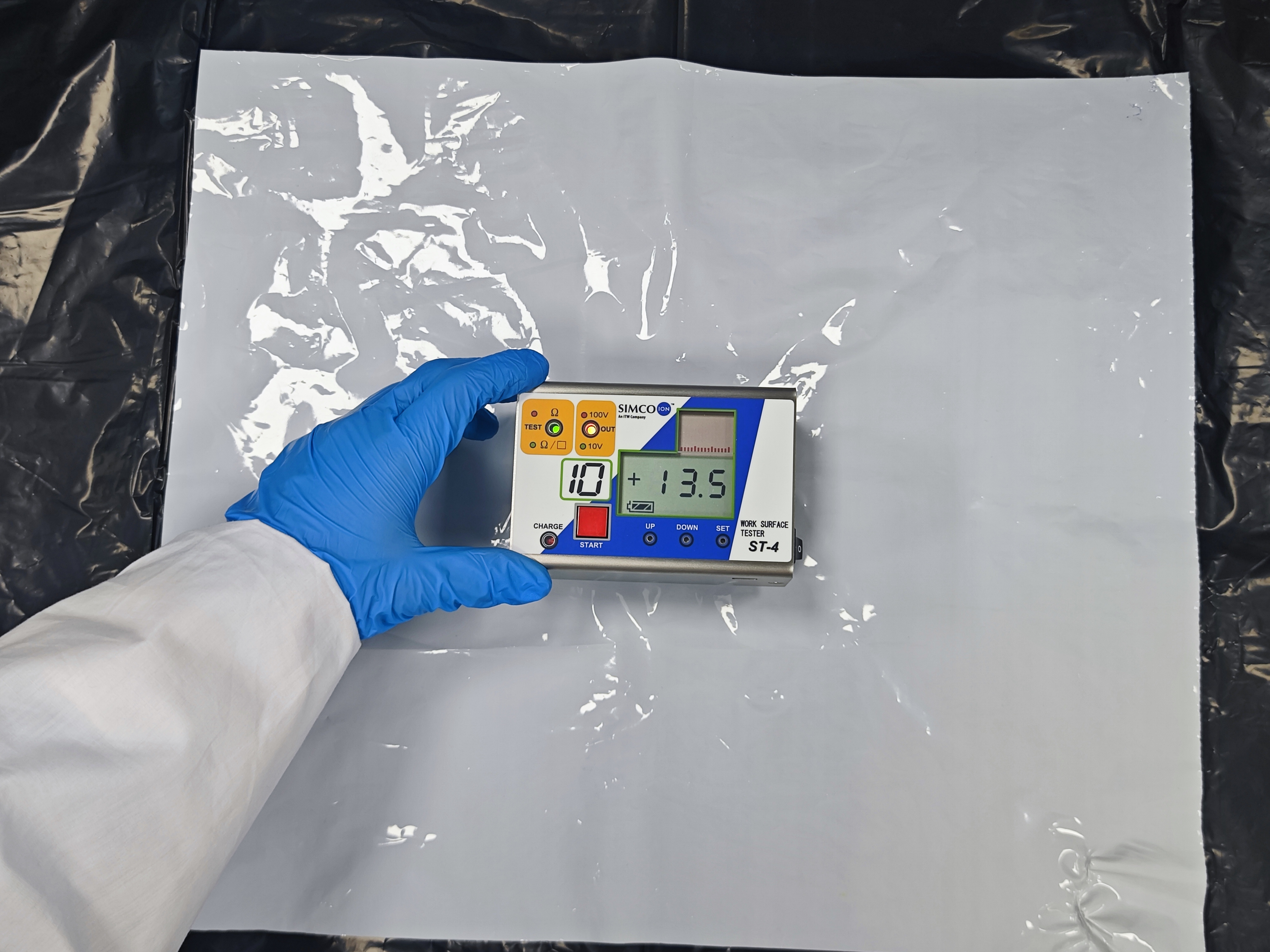
We evaluate surface resistance, charge dissipation and antistatic-effect stability
Based on the test results, we select the antistatic masterbatch grade and dosage to meet the material requirements.
| No. | Grade | Carrier | Active component | Features | Application | TDS | SDS |
|---|---|---|---|---|---|---|---|
| 1 | AS-01703-LL | LLDPE / mLLDPE | Glycerol ester + ethoxylated amine | Rapid development and long-lasting action | Blown / Cast | TDS | SDS |
| 2 | AS-01706-PP | PP-H | Ethoxylated amine | Reduced static-charge accumulation | PP Raffia / FIBC | TDS | SDS |
| 3 | AS-01705-PP | PP-H | Glycerol ester + ethoxylated amine | Rapid development and long-lasting action | CPP / BOPP | TDS | SDS |
| 4 | AS-01707-PR | PP-R | Glycerol ester | Reduced static-charge accumulation | Injection Molding | TDS | SDS |
| 5 | AS-01708-HD | HDPE | Glycerol ester + ethoxylated amine | Antistatic protection for HDPE products | Blow Molding / Injection Molding | TDS | SDS |
| 6 | AS-01709-PT | PP-T | Glycerol ester | Antistatic effect in the heat-sealable layer | CPP / BOPP / Sealant Layer | TDS | SDS |
The recommended grade is selected with regard to the polymer base, production technology, antistatic-effect requirements and operating conditions. Detailed characteristics are provided in the product technical specification.
We will determine the grade and dosage with regard to the polymer, production technology and operating conditions